Every time prices go up, moms feel it first. From the grocery aisle to the Meralco bill, you don’t need an economics degree to know that living costs in the Philippines have changed. As a mom managing a household of four, I often get asked, “How much does it really cost to live comfortably in the Philippines?” So today, I’m breaking it down honestly—no filters, no sugarcoating, just real numbers based on everyday family life in 2025.
HOUSING COSTS (₱10,000–₱25,000+)
Housing is usually the biggest expense. For a family of four, a modest apartment or small house in provincial areas can still range from ₱10,000 to ₱15,000 monthly. In cities or nearby provinces like Cavite, Laguna, or Pampanga, ₱18,000 to ₱25,000 is more realistic. When we started out, we lived with my family just to keep our expenses manageable, and honestly, that decision saved us thousands every month that we could redirect to food and school needs.
UTILITIES (₱10,000–₱22,000)
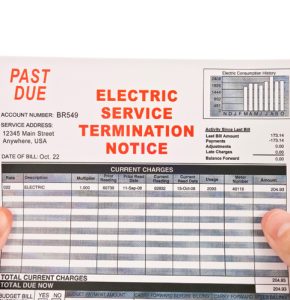
Electricity alone can already shock you, especially during summer. Our Meralco bill ranges from ₱10,000 to ₱20,000 depending on aircon use. Water usually stays under ₱800, while LPG for cooking averages ₱1,000 for 2-3 months. Add internet at ₱1,500 to ₱2,000 and suddenly utilities are no longer “small expenses.”
GROCERIES AND FOOD (₱12,000–₱18,000)
This is where moms become budgeting ninjas. A realistic monthly grocery budget for a family of four in 2025 is around ₱12,000 if you cook most meals at home. If you include occasional takeout, snacks, and school baon extras, ₱15,000 to ₱18,000 is more honest. I learned that meal planning and sticking to palengke days versus supermarket splurges makes a massive difference.
TRANSPORTATION (₱3,000–₱6,000)
Whether it’s gas, tricycle fares, jeepneys, or occasional Grab rides, transportation costs add up fast. Families with a car spend closer to ₱5,000–₱6,000 monthly on fuel alone. Commute-based families can still expect around ₱3,000 to ₱4,000 especially with school drop-offs and errands.
SCHOOL AND KIDS’ EXPENSES (₱3,000–₱8,000+)
Public school families still spend on baon, projects, uniforms, and contributions — usually ₱3,000–₱4,000 monthly. Private school tuition, even for budget-friendly schools, can push this to ₱6,000 – ₱8,000 or more. This is where I really felt the pressure as a mom — kids grow fast, and so do their needs.
PERSONAL CARE AND HOUSEHOLD ITEMS (₱2,000–₱4,000)
Toiletries, cleaning supplies, laundry soap, and basic self-care items don’t look expensive individually, but together they cost around ₱2,000 to ₱4,000 a month. I started buying in bulk and watching for sales, which helped stretch our budget without sacrificing quality.
TOTAL MONTHLY COST OF LIVING (₱45,000–₱65,000)
When you add everything up, the realistic monthly cost of living in the Philippines for a family of four in 2025 ranges from ₱35,000 for simple provincial living to ₱55,000 or more for families near urban areas. This doesn’t include emergencies, vacations, or big purchases — just day-to-day life.
Living in the Philippines is still manageable, but only with intentional budgeting. I’ve learned that it’s not about living lavishly—it’s about living wisely. Tracking expenses, choosing needs over wants, and giving yourself grace when budgets fail sometimes makes all the difference. If you’re a mom trying to make sense of rising costs, you’re not alone. We’re all figuring this out one grocery trip at a time.