Every January, I feel the same mix of hope and kaba. Hope, because a new year always feels like a fresh start. Kaba, because that’s also when I finally sit down, open my notes app, and face the real numbers after the holidays. The gifts, the food, the “deserve naman natin” moments — they all show up in black and white. This year, instead of feeling guilty, I decided to do a proper New Year reset budget, the kind that feels realistic for Filipino families and not the “save 50% of your income” advice we see online.
My January Reset Ritual as a Mom
My reset always starts quietly. Early January, when the house is finally calm again, I make coffee and list everything we owe and everything we need to pay for the next three months. I don’t judge past spending. I don’t panic. I just write. This ritual alone already lifts a huge mental load. For me, budgeting isn’t about being perfect — it’s about being honest. Once I see the full picture, that’s when planning becomes less scary and more empowering.
Bills Filipino Families Should Pay Off First
One of the biggest lessons I’ve learned is that not all debts are equal. In our New Year reset budget, we always prioritize high-interest and stress-causing bills first. Credit cards usually top the list because they quietly eat your income every month. Next are personal loans with fixed deadlines, followed by overdue utilities or school-related balances. Housing and food always come first, of course. I remind myself every January: paying off one small debt completely is better than paying the minimum on everything and feeling stuck.
How Much to Save in January vs December (Real Talk)
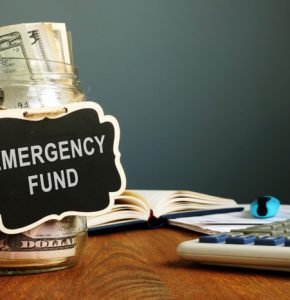
December saving is hard, let’s be honest. January, however, gives us breathing room. In our household, we save more aggressively in January than December, even if it’s just a small amount. Instead of aiming for a big number, we focus on consistency. If December savings were close to zero, January becomes the month to restart. Even ₱1,000 set aside early in the year builds momentum and confidence. I treat January savings as a signal to myself that we’re back in control.
A Simple Debt Snowball, PH-Style
The debt snowball method sounds intimidating, but I tweak it to fit real Filipino life. We list all debts from smallest to biggest, regardless of interest, then aggressively pay off the smallest one while paying minimums on the rest. Once one debt disappears, we roll that amount into the next. What makes this powerful isn’t math — it’s motivation. Each “paid off” line gives me energy to continue, especially during months when expenses feel endless.
Budget Categories That Help Us Stay on Track
Our New Year reset budget always includes categories that reflect real life, not just ideal life. Groceries get a realistic amount, not an aspirational one. Transportation includes buffer for price increases. School and kid-related expenses are listed monthly, not yearly, so they don’t surprise us. I also add a small “family joy” category — because budgeting shouldn’t feel like punishment. When joy is planned, we’re less likely to overspend impulsively.
What I Stopped Doing to Reduce Money Stress
One of the biggest changes I made was stopping daily money tracking. Weekly check-ins work better for me as a mom. I also stopped comparing our progress to other families online. Every household has a different rhythm, different responsibilities, and different seasons. The goal of a New Year reset budget isn’t to look rich — it’s to feel peaceful.
Starting the Year with Intention, Not Pressure
Starting 2026 debt-free might feel like a big dream, but it starts with small, steady steps. A New Year reset budget isn’t about restriction — it’s about clarity. When you know where your money is going, you regain control, confidence, and calm. As moms, we carry so much already. Our finances shouldn’t be another source of constant worry. One list, one plan, one month at a time is more than enough.