
Every New Year, I used to make a long list of goals — wake up earlier, eat healthier, save more, be more patient, be more productive. And every year, by mid-January, I felt tired just looking at that list. Over time, I realized the problem wasn’t my discipline. It was my expectations. As moms, our lives are already full, so this year, I chose low-stress goals that fit real life, not ideal life.
My first shift was focusing on progress, not perfection. Instead of saying “I’ll cook every meal,” I chose “I’ll cook more meals than I order.” That one small mindset change removed guilt and made the goal sustainable. On busy days, ordering food didn’t feel like failure — it was just part of balance.
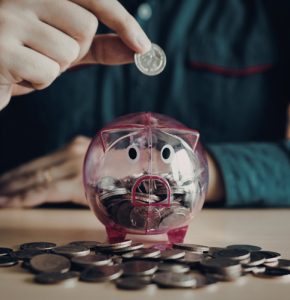
Another low-stress goal that worked was setting routines instead of results. Instead of “save ₱10,000 this month,” I focused on “save something every payday.” Some months it’s ₱500, some months more, but the habit stayed even when motivation faded. Habits last longer than motivation, especially for moms juggling many roles.
I also learned to stop copying goals from social media. What works for someone else’s lifestyle might not work for mine. Low-stress goals are personal. For me, that meant prioritizing rest, choosing fewer commitments, and learning to say no without explanation. Peace is a valid goal too.
If there’s one thing I learned, it’s this: goals that stick past January are the ones that feel kind, flexible, and realistic. If your goal makes you anxious, it probably won’t last. But if it feels doable even on tired days, that’s a goal worth keeping.