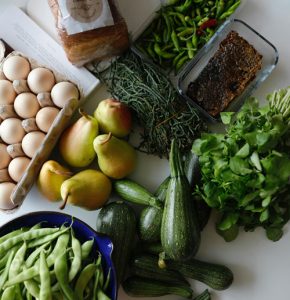
Every family eventually reaches that moment around 4 or 5 PM.
You open the fridge. You stare at the ingredients.And the question appears again: “Anong ulam?”
When life is busy — work, school schedules, errands, activities — deciding what to cook every day can feel overwhelming.
That’s why many families rely on weekly meal planning.
Instead of thinking about dinner every single day, you plan your meals once and make the rest of the week easier.
Let’s walk through a simple weekly meal plan system that works for busy families.
Why Weekly Meal Planning Makes Life Easier
Meal planning may sound like extra work, but it actually saves time and money.
When families plan meals ahead, they:
✔ reduce daily decision stress
✔ spend less on groceries
✔ avoid last-minute takeout
✔ waste less food
Most importantly, it brings structure to busy family life.
Step 1: Choose Simple Family-Friendly Meals
The goal isn’t to cook complicated dishes every night. Instead, focus on meals that are:
Quick to cook
Affordable
Kid-friendly
Easy to repeat
For busy families, the best meals are the ones everyone will actually eat.
Sample Weekly Meal Plan for Busy Families
Here’s an example of a simple weekly dinner plan that balances Filipino favorites and easy international dishes.
Monday
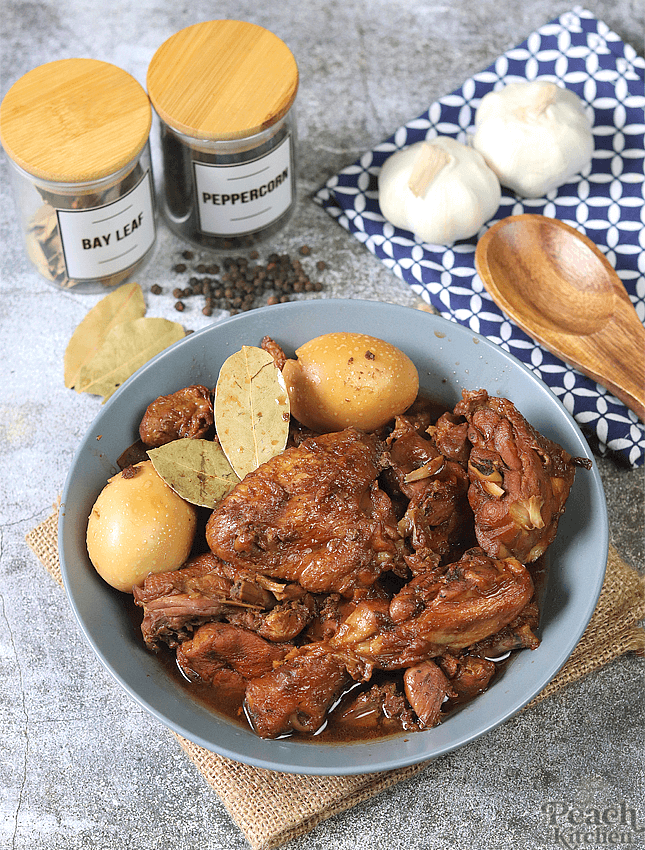
Chicken Adobo with rice
Tuesday
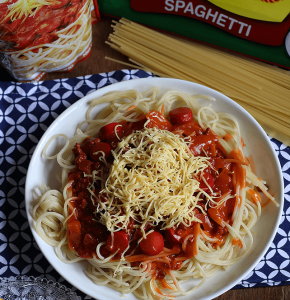
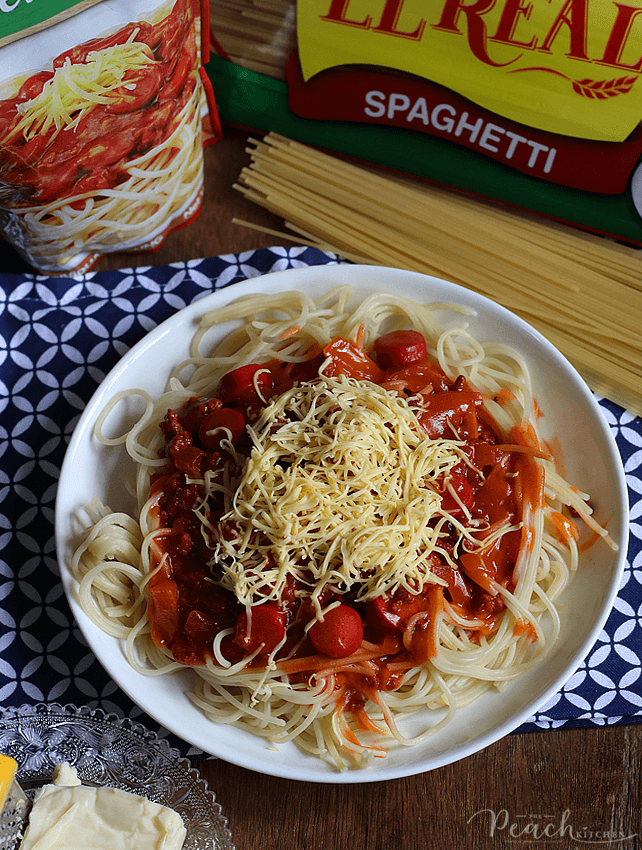
Spaghetti with meat sauce
Wednesday
Chicken Stir-Fry with vegetables
Thursday
Pork Giniling with potatoes
Friday
Homemade Fried Rice with eggs and hotdogs
Saturday
Sinigang na Baboy
Sunday
Grilled Chicken or Family Pizza Night
This type of plan provides variety while still keeping meals simple.
Step 2: Plan Your Grocery List
Once you have your meals planned, create a grocery list based on the ingredients you need. Example grocery list:
- Rice
- Chicken
- Ground pork
- Pork belly
- Eggs
- Tomatoes
- Garlic
- Onions
- Vegetables
- Spaghetti noodles
- Spaghetti sauce
Buying groceries based on a plan helps avoid unnecessary spending.
Step 3: Prep Ingredients in Advance
Meal preparation doesn’t mean cooking everything ahead.
Even simple prep can make cooking easier during the week.
Helpful prep ideas:
- Chop garlic and onions
- Marinate meat
- Wash vegetables
- Cook extra rice
Small preparation steps can save valuable time on busy evenings.
Step 4: Keep a Few “Emergency Meals”
Some days simply don’t go as planned.
That’s why it helps to keep a few quick meals ready.
Examples:
Egg fried rice
Tuna pasta
Instant noodles with vegetables
Grilled cheese sandwiches
These quick options can save the day when schedules become unpredictable.
Step 5: Repeat What Works
One secret of successful meal planning is repetition. Families don’t need 30 different meals every month.
If a meal works well and everyone enjoys it, add it to your regular rotation.
Many families rotate 10–15 reliable recipes each week.
How Meal Planning Helps Save Money
When meals are planned ahead, families often spend less on food.
Why? Because they avoid:
Impulse grocery purchases
Food waste
Frequent takeout meals
Cooking at home consistently can reduce monthly food expenses significantly.
Making Meal Planning a Family Habit
Meal planning becomes easier when the whole family participates.
Parents can:
Ask kids for meal suggestions
Assign simple cooking tasks
Let children help prepare ingredients
This not only helps with planning but also teaches kids valuable life skills.
Meal planning doesn’t have to be perfect. Some weeks will go smoothly.
Other weeks will involve last-minute changes and quick meals. And that’s okay.
The goal isn’t perfection. It’s simply making family life a little easier — one planned meal at a time.
Because when dinner becomes less stressful, evenings become calmer. And those calm evenings often turn into the best family moments.