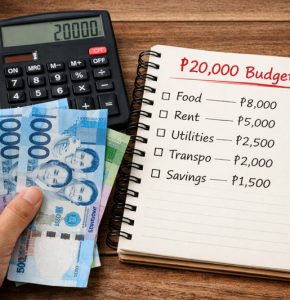

Every January, I do the same thing: I sit down with a cup of coffee, open our expense tracker, and brace myself. Because no matter how prepared I think we are, the numbers always surprise me. The cost of living in the Philippines keeps changing, and as moms, we feel it first — in grocery runs, school fees, electric bills, and even in the simple decision of whether to cook or order food. This 2026 update isn’t meant to scare you, but to give you a clear, realistic picture of what monthly living really looks like for moms raising families today.
Let’s start with housing, because this usually takes the biggest chunk of the budget. For families renting in Metro Manila or nearby provinces like Cavite, Laguna, or Rizal, monthly rent typically ranges from ₱10,000 to ₱25,000 depending on location and space. Those paying amortization for a modest house and lot often fall within the same range. Add association dues and minor repairs, and housing alone can easily take up 30–40% of a family’s income.
Utilities come next, and this is where many moms quietly panic during summer months. Electricity bills in 2026 average around ₱3,000 to ₱6,000 for families who use electric fans, aircon at night, and work-from-home setups. Water bills usually stay between ₱500 to ₱1,200, while internet plans for school and work range from ₱1,500 to ₱2,500 monthly. These are the bills you can’t skip, so any increase is immediately felt.
Groceries are where most moms try to control spending — and also where we often go over budget. A realistic monthly grocery cost for a family of four now ranges from ₱8,000 to ₱15,000, depending on where you shop and how often you cook. Prices of rice, meat, cooking oil, and basic condiments have steadily increased, so meal planning and market trips have become survival skills. I’ve learned that small habits like planning weekly menus and avoiding hungry shopping make a real difference by the end of the month.
Transportation is another hidden cost many families underestimate. For households with one car, fuel, parking, and maintenance can cost ₱4,000 to ₱7,000 monthly. Commuting families spend around ₱2,000 to ₱4,000 on fares, ride-hailing apps, and occasional emergency trips. School drop-offs, grocery runs, and errands add up faster than we expect.
School-related expenses are unavoidable, even outside tuition. Baon, school projects, uniforms, supplies, and random “Mom, we need this tomorrow” moments can cost ₱2,000 to ₱5,000 monthly per child. Even public school families feel this expense deeply, especially during enrollment season and project-heavy months.
Food outside the house is another area where budgets quietly leak. Ordering food “just this once” after a long day easily turns into ₱3,000 to ₱6,000 a month. As tired moms, we deserve rest — but being mindful of how often we rely on food delivery helps keep spending realistic.
When you add everything together, the average monthly cost of living in the Philippines for moms in 2026 realistically ranges from ₱30,000 to ₱55,000 for a family of four. Some families spend less by living simply and cooking more, while others spend more due to location, schooling, and work needs. There is no single “right” number — only what works for your family.
What this cost-of-living breakdown taught me is that budgeting isn’t about restriction. It’s about awareness. Knowing where your money goes gives you control, not guilt. If you’re a mom feeling overwhelmed by rising costs, remember that you’re not alone — and that small, intentional adjustments can help you breathe easier month after month.