Every January, I ask myself the same question: “Are we saving enough?” Not the Instagram version of saving, not the spreadsheet-perfect kind — but the real, Filipino family kind. With groceries getting more expensive, school expenses piling up, and life throwing surprises left and right, saving money can feel intimidating. But over the years, I’ve learned that knowing how much to save each month isn’t about hitting a magic number. It’s about finding what’s realistic for your family and sticking to it.
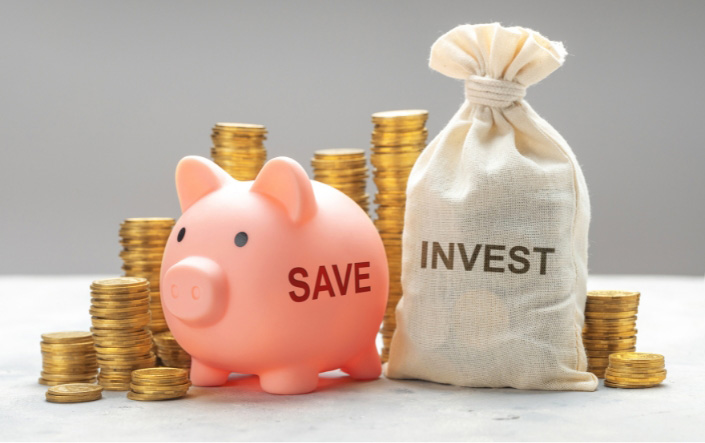
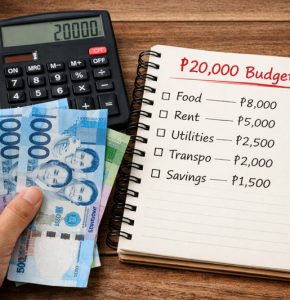
For most Filipino families in 2026, a good starting point is saving 10–20% of monthly income, but that doesn’t mean everyone can or should do that immediately. If your household income is ₱30,000, saving ₱3,000 a month is already a win. If it’s ₱50,000, aiming for ₱5,000–₱7,000 is more realistic than forcing ₱10,000 and burning out by February. What matters is consistency, not perfection.
I like breaking savings into simple buckets so it doesn’t feel overwhelming. First is short-term savings — pang-emergency, pang-biglang gastos, or pang-school needs. This is where most moms should start. Even ₱1,000–₱2,000 a month builds confidence. Next is long-term savings, like education or future plans. This doesn’t have to be big right away. Small monthly deposits add up more than you think over time.
One thing I stopped doing was comparing our savings to other families. Some households save more because they earn more or have fewer expenses. Others save less because they’re in a season of heavy responsibilities. Saving isn’t a race. It’s a rhythm that changes as life changes.
If you’re starting 2026 feeling behind, let me tell you this gently — you’re not. The best savings plan is the one you can maintain even on hard months. Start where you are, save what you can, and adjust as you go. Progress, not pressure, is what builds real financial peace.