Why Every Mom Needs an Emergency Fund (Even a Small One)
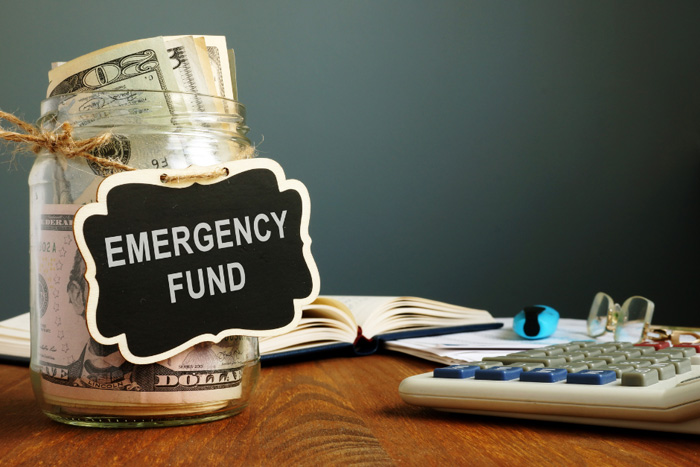
If there’s one thing motherhood teaches us, it’s that emergencies never give advance notice. A sudden fever at midnight, a broken appliance, a school expense we didn’t plan for — these things don’t wait until our budget is ready. For a long time, I thought an emergency fund was something you build “when you have extra money.” The truth is, you build it so you don’t panic when there is no extra money.
An emergency fund isn’t about preparing for every possible problem. It’s about giving yourself breathing room. Even a small amount can change how you respond to stressful situations. Instead of panic, there’s a plan. Instead of guilt, there’s relief.
How Much Should Moms Save for an Emergency Fund?
The ideal emergency fund is often said to be three to six months of expenses, but for most Filipino families, that can feel overwhelming. I learned to break it down into stages. The first goal is ₱5,000 — enough to cover basic medicine, a clinic visit, or urgent repairs. The next goal is ₱10,000 to ₱20,000, which already handles most common emergencies. From there, you can slowly grow it based on your family’s comfort level.
The key is to start small and stay consistent. Saving ₱500 or ₱1,000 a month may feel slow, but it builds momentum. Progress matters more than speed.
Emergency Fund Checklist for Moms
Before you even start saving, it helps to know what your emergency fund is actually for. This checklist helped me stay disciplined and avoid using it for non-emergencies.
Your emergency fund should cover medical needs like doctor visits, medicines, and basic tests. It should also include essential home repairs such as plumbing issues, electrical problems, or appliance breakdowns. School-related emergencies like sudden project costs or activity fees also count. Transportation emergencies, including unexpected repairs or urgent travel, should be part of the plan too.
What it should not be used for are sales, vacations, gadgets, or wants disguised as needs. Clear boundaries protect your savings.
Where Moms Should Keep Their Emergency Fund
Accessibility is important, but so is separation. I learned not to keep emergency funds mixed with daily spending money. A separate savings account works best — something easy to access but not too tempting to touch. Some moms prefer digital banks because transfers are quick and balances are easy to track. The goal is to make the fund available during emergencies but invisible during regular days.
How I Made Emergency Savings a Habit
What finally worked for me was treating emergency savings like a bill. As soon as income came in, I set aside a small amount before anything else. Some months were better than others, and there were times I had to pause — but I didn’t quit. I also used unexpected money like small bonuses, refunds, or extra income to boost the fund. Slowly, it grew without feeling painful.
A Gentle Reminder for Moms
Having an emergency fund doesn’t mean bad things will happen. It means you’re preparing with love and responsibility. It’s not about fear — it’s about peace of mind. Even a small emergency fund tells you, “Kaya natin ’to.” And as moms, that sense of calm is priceless.