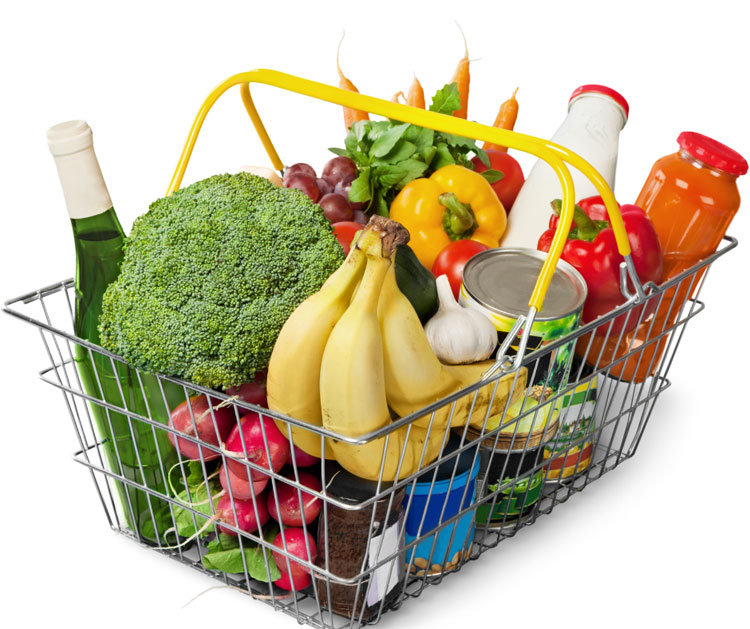
Let’s be honest. Going to the grocery in 2026 feels like a guessing game.
You enter thinking, “Konti lang bibilhin ko.”
You leave looking at the receipt like… “Paano naging ₱6,300 ‘to?!” 😅
If you’ve been wondering:
👉 “Magkano na ba talaga groceries ngayon?”
👉 “Normal ba itong nagagastos namin?”
👉 “Kami lang ba ang nahihirapan mag-budget?”
You are not alone.
Let’s break down the realistic cost of groceries in the Philippines this 2026 — mom to mom.
So… How Much Are Groceries in 2026?
For a family of 4 (2 adults + 2 kids), here’s what most households are spending:
Weekly Grocery Budget:
₱5,000 – ₱7,000
Monthly Grocery Budget:
₱20,000 – ₱28,000
This assumes:
- Mostly home-cooked meals
- Limited fast food
- Balanced meals (meat + gulay)
- Basic pantry restocking
If you’re spending ₱30,000+ monthly, don’t panic. But it’s time to look at patterns.
Updated Grocery Price Guide (2026 Estimates)
Prices vary by location (Metro Manila vs province), wet market vs supermarket, and brand — but here’s a realistic range this year.
🍚 Rice & Carbs
- Regular rice (per kilo): ₱50–₱65
- 5kg rice sack: ₱350–₱450
- Loaf bread: ₱65–₱95
- Pandesal (dozen): ₱70–₱90
- Pasta (500g): ₱55–₱85
Rice is still manageable — but premium and imported varieties cost more.
🥩 Meat & Protein
- Whole chicken (per kilo): ₱170–₱210
- Chicken cuts: ₱190–₱250
- Pork (per kilo): ₱260–₱330
- Beef (per kilo): ₱380–₱500
- Eggs (tray of 30): ₱190–₱230
- Tofu (block): ₱30–₱45
- Canned tuna: ₱45–₱65
Beef and pork fluctuate the most. Eggs and tofu remain budget heroes.
🥦 Vegetables
- Pechay (bundle): ₱25–₱35
- Kangkong: ₱20–₱30
- Eggplant (per kilo): ₱70–₱100
- Carrots (per kilo): ₱140–₱190
- Sayote (per kilo): ₱50–₱80
- Potatoes (per kilo): ₱100–₱150
Vegetables change weekly. Seasonal buying is your best friend.
🍎 Fruits
- Banana (per kilo): ₱80–₱120
- Apples (per kilo): ₱220–₱320
- Watermelon (whole): ₱120–₱180
Imported fruits feel the inflation more. Local fruits are safer for the budget.
🛢️ Pantry Essentials
- Cooking oil (1L): ₱180–₱240
- Sugar (1kg): ₱75–₱95
- Milk (1L): ₱130–₱170
- Soy sauce: ₱60–₱90
- Vinegar: ₱45–₱65
Cooking oil and milk are noticeably higher compared to a few years ago.
Why Does ₱6,000 Disappear So Fast?
Because it’s not just “ulam.”
It’s:
- Oil
- Condiments
- Snacks
- Drinks
- Refill items
- “Extra” cravings
And snacks… oh snacks.
₱150 here. ₱200 there.
By the end of the week, ₱800–₱1,200 gone.
Where Families Overspend (Real Talk)
- Processed snacks
- Sugary drinks
- Midweek grocery trips
- Food delivery “just this once”
- Premium meat cuts
We think it’s the chicken price.
But sometimes, it’s the habits.
How to Control Grocery Costs in 2026
Okay, now practical mode.
1️⃣ Plan 7 Dinners Before You Shop
Dinner is the most expensive meal.
Balance your week:
- 2 chicken dishes
- 1 pork
- 1 egg dish
- 1 monggo
- 1 tofu/vegetable-heavy
- 1 pasta/fun meal
You control protein → you control budget.
2️⃣ Buy Produce in Wet Market
You can save:
₱300–₱700 weekly
Just by switching where you buy vegetables and chicken.
3️⃣ Reduce Snack Budget by 30%
Swap:
- Chips → popcorn
- Branded cookies → homemade sandwich
- Juice drinks → water or homemade gulaman
Savings: ₱1,000–₱2,000 monthly.
4️⃣ Cook Once, Eat Twice
Adobo today → adobo fried rice tomorrow.
Giniling → giniling omelette next day.
Leftovers = strategy.
Is Inflation Still High in 2026?
Overall food inflation has stabilized compared to previous years, but certain categories still fluctuate:
- Meat
- Imported fruits
- Cooking oil
The key isn’t panic — it’s flexibility.
Groceries are emotional.
We don’t just buy food.
We buy comfort.
We buy “paborito nila.”
We buy love in edible form.
But budgeting groceries doesn’t mean being kuripot.
It means:
- Being intentional
- Reducing waste
- Choosing wisely
If you’re tracking prices, adjusting meals, comparing stores — you’re already doing amazing.
You’re not alone in this. And yes, grocery budgeting in 2026 is harder — but manageable with a plan.