
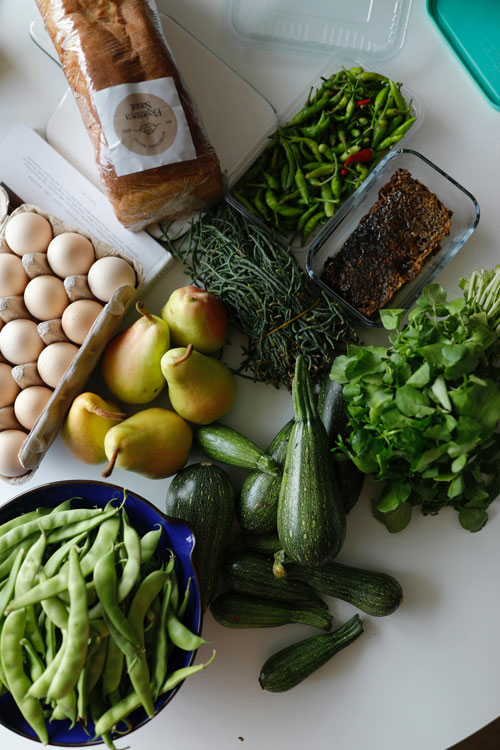
If there’s one household expense that feels like it keeps increasing every year, it’s groceries.
One week you’re doing a simple grocery run… and suddenly the bill reaches ₱3,000 or more.
For many Filipino families, food is one of the largest monthly expenses after housing.
So the big question becomes: “Magkano ba talaga ang realistic grocery budget for a family of four?”
Let’s break it down and see what families are spending in 2026.
Average Grocery Budget for a Family of 4
In the Philippines today, most families spend around: ₱8,000 – ₱15,000 per month on groceries
This amount depends on several factors such as:
- location (Metro Manila vs province)
- eating habits
- number of meals cooked at home
- dietary preferences
Families who cook almost every meal at home may spend more on groceries but save money by eating out less.
Typical Weekly Grocery Budget
Many families find it easier to budget weekly instead of monthly.
A typical grocery budget might look like this:
Budget-friendly families:
₱2,000 – ₱2,500 per week
Mid-range family grocery budget:
₱2,500 – ₱3,500 per week
Higher grocery spending:
₱3,500 – ₱4,500 per week
That means a typical monthly grocery spending of: ₱10,000 – ₱14,000
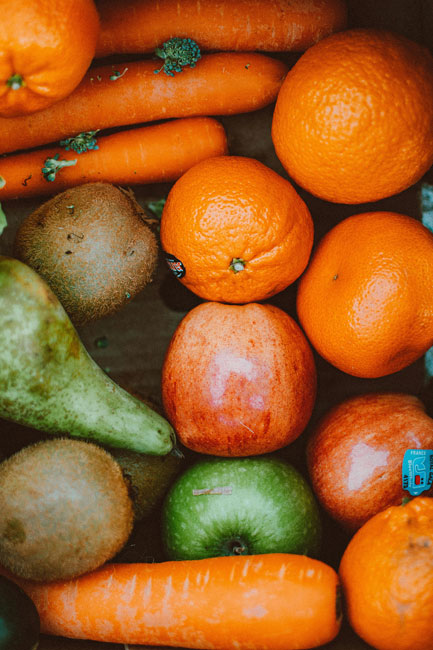
Common Grocery Items for a Family of 4
A typical Filipino grocery list includes staple foods such as:
- Rice
- Eggs
- Chicken
- Pork or beef
- Fish
- Vegetables
- Cooking oil
- Milk
- Bread
- Instant noodles
- Canned goods
- Snacks for kids
Many families also buy fruits weekly to balance nutrition.
Sample Weekly Grocery List (Estimated Prices)
Here’s a realistic sample grocery list for a family of four.
- Rice (5 kg): ₱280 – ₱350
- Chicken (1.5 kg): ₱350 – ₱450
- Pork (1 kg): ₱320 – ₱420
- Eggs (tray): ₱260 – ₱320
- Vegetables and fruits: ₱300 – ₱600
- Bread and breakfast items: ₱200 – ₱400
- Milk: ₱200 – ₱350
- Canned goods and pantry items: ₱300 – ₱500
Estimated weekly grocery total: ₱2,200 – ₱3,000
Multiply that across four weeks and the numbers align with the monthly estimates.
How to Lower Your Grocery Bill
Groceries can easily go over budget without a plan.
Here are practical strategies many families use.
Plan Meals in Advance
Meal planning helps avoid unnecessary purchases and reduces food waste.
Planning even three to five dinners ahead can make grocery shopping more focused.
Stick to a Grocery List
Impulse purchases are one of the biggest budget killers.
Shopping with a list helps keep spending under control.
Buy in Bulk for Staples
Items like rice, canned goods, and cooking oil are often cheaper when bought in larger quantities.
Just make sure they won’t expire before you use them.
Take Advantage of Sales
Supermarkets often have weekly promotions.
Buying frequently used items during sales can help families save money over time.
Limit Food Waste
Throwing away unused food is like throwing away money.
Simple habits like storing leftovers properly or cooking only what your family needs can reduce waste.
Groceries vs Eating Out
One reason grocery spending may increase is because families are choosing to cook more meals at home. But compared to dining out, home cooking is still significantly cheaper.
Example comparison for a family of four:
Restaurant meal:
₱800 – ₱1,500
Home-cooked meal:
₱250 – ₱400
Cooking at home even a few extra times per week can save thousands of pesos monthly.
Sample Monthly Grocery Budget
Here’s a realistic monthly grocery breakdown.
- Week 1: ₱2,500
- Week 2: ₱2,800
- Week 3: ₱2,400
- Week 4: ₱2,700
Total monthly grocery spending: ₱10,400
This falls right within the average range for many Filipino households.
Managing grocery expenses isn’t about buying the cheapest food available. It’s about finding a balance between:
- Nutrition
- Budget
- Convenience
Every family’s needs are different. Some weeks will cost more than others, especially when prices change or when kids suddenly develop bigger appetites.
But with simple habits like meal planning and smart shopping, families can keep grocery spending manageable while still serving meals everyone enjoys.
And at the end of the day, the most important thing is still the same: A full table and a family sharing meals together.