Sometimes the Problem Isn’t That You’re Bad With Money

I’ve had months when I looked at our expenses and thought, Where did all the money go?
And it’s not because we were buying anything extravagant. There were just… a lot of things.
Groceries. Utilities. School expenses. Transportation. Household needs. A birthday here. A family dinner there.
Then suddenly an appliance needs fixing, someone needs something for school, or there’s an expense you completely forgot about.
And just like that, the money that looked perfectly fine at the beginning of the month feels very tight. I think this is something a lot of families experience.
Sometimes you’re not necessarily living beyond your means. You simply don’t have enough breathing room between what comes in and what goes out.
I’ve written before about how to stop living paycheck to paycheck, but I wanted to talk about something slightly different here.
Because sometimes the goal isn’t immediately to completely transform your finances. Sometimes you just want to make the month feel a little less stressful.
What Does Financial Breathing Room Actually Mean?
For me, financial breathing room means having enough flexibility in the budget that every unexpected expense doesn’t immediately become a crisis.
It means you can buy groceries without worrying that you’ll have to sacrifice something else. It means a school project doesn’t completely destroy the week’s budget.
It means you can replace a broken appliance without reaching for money that was already allocated for something important.
And it also means being able to enjoy your life. Because I don’t want our family budget to be so restrictive that we’re afraid to have dinner out, enjoy a coffee date, or take a little staycation together.
What’s the point of working hard if every peso is already committed before you even receive it?
Start by Looking at the Expenses You Can Actually Change
When money feels tight, it’s tempting to look at the biggest expenses first. But not everything in your budget is flexible.
You can’t simply decide that electricity shouldn’t cost as much. You can’t tell the school to lower the fees. You probably can’t change your rent or mortgage overnight.
So instead, I like looking at the expenses that actually give us some room to adjust.
Maybe it’s food delivery. Maybe it’s subscriptions we barely use. Maybe it’s online shopping. Maybe it’s buying groceries without a plan and ending up with things we didn’t really need.
The goal isn’t to eliminate everything enjoyable. It’s to identify the expenses that don’t add enough value to justify what we’re spending on them.
Groceries Are One Place Where Small Changes Can Help
Food is one of those expenses that’s impossible to eliminate because, obviously, our families need to eat. But there is usually some flexibility.
I’ve found that meal planning, checking what we already have at home, and making better use of leftovers can make a noticeable difference.
It doesn’t have to mean eating boring food either. We can still have the dishes we love.
We just become a little more intentional about how often we’re buying takeout or making unnecessary grocery runs. Sometimes the easiest way to save money is simply to stop buying something you already have hiding at the back of the pantry.
Give Your Money a Place to Go
One thing that has helped me is deciding where our money should go before we start spending it.
Bills get their share. Groceries get their share. School expenses get their share. Savings get their share. And yes, family fun gets its share too.
I don’t want to budget only for necessities. Our family enjoys staycations, eating out, coffee dates with Daddydoodledoo, and little adventures together. Those things are part of our life.
Instead of pretending we won’t spend money on them, I’d rather include them in the budget.
That way, enjoying ourselves doesn’t automatically feel like we’ve done something wrong.
Don’t Forget the Expenses That Happen Every Few Months
This is one of the easiest ways for a budget to suddenly fall apart. Some expenses aren’t monthly, but they’re definitely coming.
School enrollment. Birthdays. Christmas. Insurance. Annual subscriptions. Appliance replacement. Home repairs.
And now that Ykaie is entering her college era at UP Diliman, I’m realizing even more how important it is to think beyond the current month.
College brings expenses that don’t necessarily arrive on the same schedule as our regular household bills.
Meanwhile, Twinkle is still in school, so there are still projects, activities, school supplies, and all those little expenses that somehow appear when you least expect them.
Instead of treating these expenses as surprises, I’m trying to think of them as future expenses that simply haven’t arrived yet. That little mental shift makes budgeting much easier.
Build a Small Buffer
If your budget is already tight, hearing someone say “just save six months of expenses” can feel overwhelming. I get it.
When there’s barely anything left after the bills, saving a huge amount isn’t realistic.
So start smaller. Maybe your first goal is ₱1,000. Then ₱5,000. Then ₱10,000. The amount isn’t as important as creating that cushion.
Because even a small buffer can make an unexpected expense feel less terrifying.
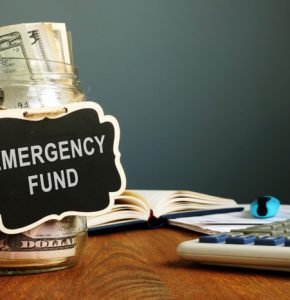
And once you have one, you can gradually build it into a proper emergency fund.
Be Careful About Lifestyle Creep
One of the sneakiest reasons money continues to feel tight is that our spending tends to grow whenever our income grows. We get a little extra money, so we upgrade something.
Then another expense gets added. Then another. Eventually, we’re earning more but somehow still feel exactly as stretched as before.
I’ve learned that whenever our financial situation improves, it doesn’t mean every additional peso needs to be spent.
Some of it can go toward savings. Some can go toward future expenses. And yes, some can absolutely be used to enjoy life. It’s about finding the balance.
You Don’t Have to Cut Out Everything You Love
This is probably the part I feel most strongly about. I don’t want to promote the idea that the only way to improve your finances is to stop enjoying yourself.
Life is already stressful enough.
If saving money means you can never have your favorite coffee, never eat out, never travel, and never treat your family, you’re probably not going to maintain that lifestyle forever.
For us, those little family experiences matter.
A staycation. A swimming day. A coffee date. A meal together. A spontaneous trip somewhere nearby. These aren’t necessarily expensive things, but they’re memories.
I’d rather find ways to afford the things that genuinely make us happy than spend money mindlessly on things we don’t even remember buying.
Sometimes Financial Breathing Room Comes From Earning More
Of course, cutting expenses isn’t the only answer. There comes a point when there simply isn’t much more you can cut without making life uncomfortable. That’s when increasing your income can become part of the solution.
For some people, that might mean freelancing. For others, it’s selling something, taking on extra work, starting a side hustle, or monetizing a skill they already have.
As a blogger, I’ve learned that income can come from different places too. It isn’t always about finding one giant opportunity. Sometimes it’s about gradually creating several smaller income streams.
And when that additional income comes in, the goal shouldn’t automatically be to increase spending. Some of it can create the breathing room you’ve been missing.
Give Yourself Permission to Have a “Normal” Month
I’ve also learned that not every month needs to be a financial success story. Some months are simply expensive.
Maybe there’s a birthday. Maybe there’s a school event. Maybe the car needs repairs. Maybe you’re traveling. Maybe several things happen at once.
That’s life. A good financial plan isn’t one where you never go over your ideal budget. It’s one that can absorb an imperfect month without completely falling apart. That’s what financial breathing room really means to me.
As my children get older, I’m becoming more aware that our financial priorities will continue to change.
When Ykaie was little, I didn’t think much about college expenses. It seemed so far away. Now suddenly I’m talking about her entering UP Diliman, transportation, allowance, school supplies, technology, and all the other expenses that come with this new chapter.
And then there’s Twinkle, who is growing up right before my eyes. I know that eventually her needs will change too.
That’s why I’m trying to look at our finances not just as a way to survive this month’s bills, but as a way to create a little more freedom for our family.
I don’t need everything to be perfect. I just want us to have enough room to handle what comes next.
The Goal Isn’t to Spend Nothing
I think sometimes personal finance advice accidentally makes people feel guilty for spending money. But spending isn’t automatically bad.
Buying something your family genuinely needs isn’t bad. Taking your children on a trip isn’t bad. Going out for dinner isn’t bad. Enjoying a coffee isn’t bad.
The problem is when our spending leaves us with no room for the things that actually matter.
For me, the goal is intentional spending. Spend on what matters. Cut back on what doesn’t. Save for what you know is coming.
Prepare for what might happen. And leave yourself a little room to breathe.
Creating financial breathing room doesn’t require a dramatic lifestyle makeover. Sometimes it starts with something as simple as looking at where your money is going and asking yourself whether every expense still deserves a place in your life.
You can plan your groceries better. Reduce a few unnecessary recurring expenses. Prepare for annual costs. Build a small financial buffer. Find ways to increase your income when cutting back isn’t enough. And most importantly, give yourself permission to enjoy the money you’ve worked hard to earn.
Because I don’t want financial stability to mean that our family never gets to have fun.
I want it to mean that when we do have fun, I don’t spend the following week worrying about how we’re going to pay for it.
That’s the kind of financial freedom I’m working toward. Not a perfect life. Not unlimited money. Just a little more breathing room. And honestly, sometimes a little breathing room is worth more than having a lot of money with no peace of mind.
Frequently Asked Questions
What does financial breathing room mean?
Financial breathing room is the amount of flexibility you have after covering your regular expenses. It means having enough room in your budget to handle unexpected costs, save for future needs, and still enjoy some of your money without constantly feeling financially stretched.
How can I create financial breathing room quickly?
Start by reviewing your recurring expenses and looking for changes that won’t significantly affect your quality of life. Reducing unnecessary subscriptions, planning groceries, limiting impulse purchases, and setting aside even a small amount for unexpected expenses can help.
Should I save money or pay off debt first?
It depends on your circumstances. Many families benefit from building at least a small emergency cushion while also working on high-interest debt. Once you have some financial protection in place, you can create a more focused plan for paying down debt and increasing savings.
Does creating financial breathing room mean giving up things I enjoy?
Not at all. A sustainable budget should leave some room for enjoyment. The goal is to spend intentionally so you can afford the things that genuinely matter to you without sacrificing essential expenses or future financial goals.
Related Posts You Might Like
- How to Stop Living Paycheck to Paycheck — If you feel like your money disappears before the next payday, I wrote more about breaking that cycle and creating a more sustainable financial routine.
- Emergency Fund vs. Savings: What’s the Difference and Why Every Family Needs Both? — Understanding the difference between money for planned expenses and money reserved for emergencies can make family budgeting much easier.
- Simple Ways to Reduce Household Expenses Without Sacrificing Comfort — More realistic ideas for reducing everyday expenses without making your family feel like you’re constantly saying no.
- How to Save Money on Groceries in the Philippines — Because food is one of those household expenses where small changes can add up over time.