Financial Emergencies Never Arrive at a Good Time
Life has a funny way of catching us off guard. One day everything feels normal. The next day your car breaks down. Your washing machine suddenly stops working. A medical bill appears. Or an unexpected home repair demands immediate attention.
Most of us don’t plan for these situations. They simply happen. And when they do, one question often comes up: “Where will the money come from?” For many people, the answer comes down to two options—using an emergency fund or applying for a personal loan. But which one actually makes more sense?
Why an Emergency Fund Should Always Come First
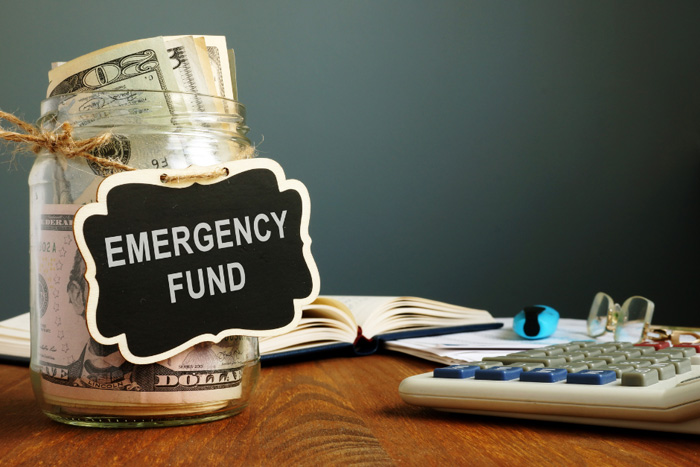
If you’ve been reading my recent budgeting posts, you already know I’m a big believer in building an emergency fund. Not because emergencies happen every week. But because they eventually happen to everyone. An emergency fund gives you something incredibly valuable: Peace of mind.
Instead of worrying about where the money will come from, you already have a financial cushion waiting when life throws you a surprise. That’s exactly what emergency savings are meant for.
Sometimes Savings Aren’t Enough
Of course, real life isn’t always ideal. Maybe you’re still building your emergency fund. Maybe you’ve already used part of it.
Or maybe the expense is simply larger than what you’ve managed to save so far. There’s no shame in that. Building savings takes time.
And unexpected expenses don’t wait until we’re financially ready. That’s where borrowing may become part of the conversation.

When a Personal Loan Might Make Sense
There are situations where carefully comparing personal loans can be a practical option.
For example:
- A major medical expense.
- An urgent home repair.
- Essential car repairs that allow you to continue working.
- Necessary expenses that simply can’t be postponed.
The important thing is making sure you’re borrowing for a genuine need—not because of impulse spending or unnecessary purchases. A loan should solve a problem, not create a bigger one.
Consider the Total Cost
One thing people sometimes overlook is that borrowing money isn’t free. Monthly payments are only part of the picture. Interest rates, fees, and repayment periods all affect the total cost. Before signing any loan agreement, it’s worth asking yourself: Can I comfortably afford these payments without creating additional financial stress?
If the answer is no, it may be worth exploring other options first.
Don’t Empty Your Emergency Fund Completely
Here’s something I didn’t fully appreciate until I started learning more about personal finance. Even if you have savings, it isn’t always wise to spend every last peso—or dollar. Imagine using your entire emergency fund for one expense. Then a second emergency happens a few weeks later. That’s why many financial experts recommend keeping at least a small financial cushion whenever possible.
Having some savings left can provide valuable peace of mind.
Build Both Over Time
I don’t think this discussion is really about choosing one forever. The long-term goal is actually much simpler. Build an emergency fund. Improve your financial habits. Reduce unnecessary debt. Borrow responsibly only when truly necessary. Over time, those habits work together to create greater financial security.
Unexpected expenses are stressful enough. The last thing anyone wants is to make a rushed financial decision because panic takes over.
I’ve learned that slowing down, comparing your options, and thinking beyond today’s problem can make a huge difference. Money decisions don’t have to be perfect. They just need to be thoughtful.
An emergency fund is generally your first line of defense because it’s money you’ve already set aside for life’s unexpected moments.
But if your savings aren’t enough and the expense can’t wait, responsibly comparing personal loan options may help bridge the gap.
The key is understanding the costs, borrowing only what you truly need, and having a realistic repayment plan.
At the end of the day, the best financial decision is the one that helps solve today’s problem without creating an even bigger one tomorrow.