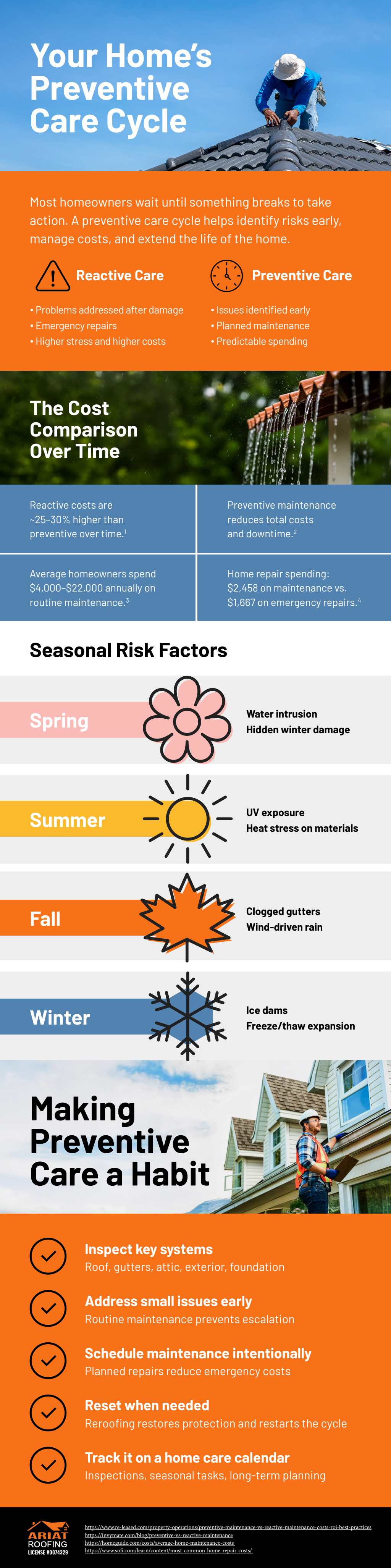
Owning a home means keeping up with maintenance tasks that aren’t always obvious until something goes wrong. A small roof leak, clogged gutter, or neglected heating system can eventually lead to expensive repairs. For busy parents, managing these responsibilities alongside work and family schedules can feel challenging. Establishing a preventive care cycle helps homeowners protect their property.
Monthly Maintenance: Catch Small Problems Early
Some household systems require regular attention regardless of the season. Monthly inspections can help homeowners notice changes before they develop into larger problems.
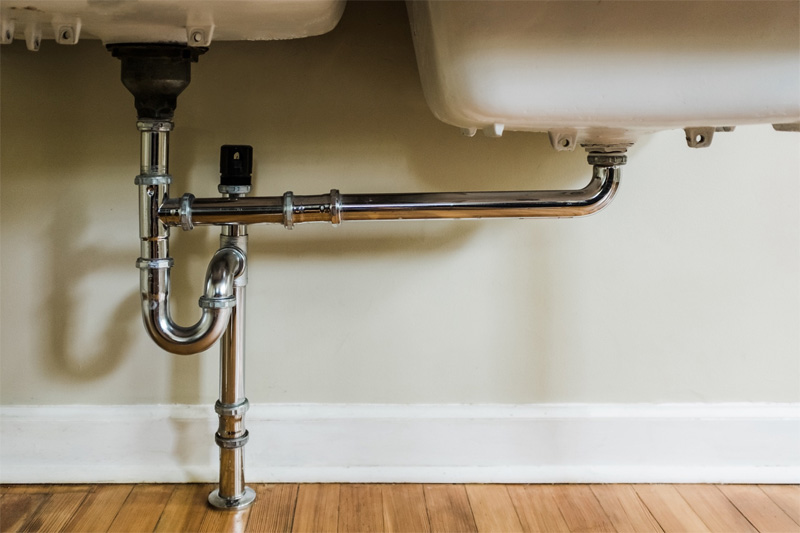
Start with HVAC filters, checking whether they need cleaning or replacement according to manufacturer recommendations. Dirty filters can restrict airflow and reduce system efficiency. Test smoke and carbon monoxide alarms monthly, and inspect visible plumbing connections for leaks.
Pay attention to unusual odors, water stains, and changes in appliance performance. These warning signs may indicate developing problems that deserve professional evaluation.
Spring: Inspect Winter Damage and Drainage
Winter weather can leave behind damaged shingles, cracked exterior materials, and drainage problems. Spring provides an opportunity to inspect these areas before heavy seasonal rainfall arrives.
Walk around your property and examine the roof from the ground. Look for missing shingles, damaged flashing, and debris collecting near gutters. Addressing visible problems early may prevent leaks that eventually require emergency roof repair.
Clear gutters and confirm that downspouts direct water away from the foundation. Inspect basement walls for moisture and check outdoor faucets for leaks caused by freezing temperatures. Spring is also a good time to schedule air conditioning maintenance before summer temperatures increase.
Summer: Focus on Exterior Wear and Safety
Summer maintenance should address outdoor areas that experience frequent use. Decks, patios, fences, and playground equipment can develop loose connections or damaged surfaces over time.
Inspect wooden structures for splintering, rot, and unstable railings. Families with children should also examine outdoor play equipment for exposed hardware and weakened supports.
Check window screens and exterior door seals to prevent pests from entering. Overgrown vegetation should be trimmed away from siding and outdoor equipment to improve access and reduce moisture buildup.
Fall: Prepare Heating Systems and Weather Protection
Fall maintenance helps homeowners prepare for colder temperatures and increased heating demands. Schedule a professional heating system inspection and replace filters when necessary. Inspect weatherstripping around windows and doors for gaps that allow drafts. Seal appropriate openings to improve comfort and reduce energy loss.
Clean gutters after leaves fall, particularly before freezing weather arrives. Homeowners with fireplaces should arrange chimney inspections and cleaning when recommended. Disconnect garden hoses and prepare outdoor plumbing for freezing temperatures according to local climate conditions.
Winter: Monitor Indoor Systems and Moisture
Cold weather places additional demands on heating equipment, plumbing, and insulation. Homeowners should watch for unusual temperature differences between rooms, condensation around windows, and signs of frozen pipes.
Keep indoor humidity at appropriate levels to reduce condensation and mold risks. During extreme cold, protect vulnerable plumbing and maintain adequate indoor temperatures. After heavy snowfall, check for ice accumulation near roof edges. Avoid climbing onto icy roofs or attempting hazardous snow removal.
Keep Records and Plan for Larger Repairs
Preventive maintenance becomes easier when homeowners maintain a record of completed inspections, repairs, and equipment replacements. A simple calendar can help families schedule recurring tasks without overlooking important deadlines. Set aside money for larger expenses. Review maintenance records annually to identify systems approaching the end of their expected service lives.
A consistent preventive care cycle helps families manage homeownership responsibilities more effectively. Regular inspections and seasonal preparation can reduce avoidable damage. Treating maintenance as an ongoing household routine protects both the property and the family’s financial stability. Look over the infographic below for more information.