Christmas is one of my favorite times of the year. There’s something special about decorating the house, planning family gatherings, preparing delicious food, and finding gifts for the people we love. But let’s be honest: Christmas can also be one of the most expensive times of the year.
Between gifts, groceries, decorations, parties, travel, and all those little holiday expenses, it’s surprisingly easy to spend more than we planned. Minsan, one shopping trip turns into several, and before we know it, our budget is already gone.
That’s why I believe planning a Christmas budget is one of the best things we can do before the holiday rush begins. It doesn’t mean being kuripot or saying no to every celebration. It simply means knowing how much we can comfortably spend so we can enjoy the season without worrying about our finances afterward.
1. Decide How Much You Can Spend This Christmas
Before making your shopping list, determine your total Christmas budget.
Look at your regular household expenses, savings contributions, bills, and other financial responsibilities first. Christmas spending should come from money you can afford to set aside—not money intended for rent, utilities, groceries, or emergency savings.
If you have been saving for Christmas throughout the year, that’s even better. Otherwise, choose a realistic amount based on your current financial situation.
You can also review your regular family budget to see how much room you have for holiday expenses.
2. Divide Your Christmas Budget Into Categories
Once you have your total amount, divide it into categories. This makes it easier to see where your money is going and prevents one expense from taking over everything.
Some categories to consider include:
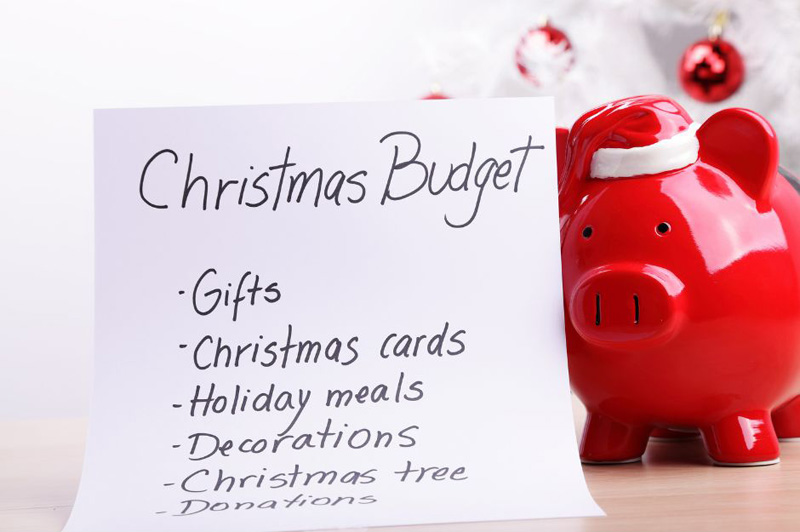
- Gifts: Presents for your children, spouse, parents, relatives, and friends.
- Christmas food: Ingredients for Noche Buena, snacks, desserts, and drinks.
- Decorations: Christmas tree ornaments, lights, and other home decorations.
- Parties and gatherings: Exchange gifts, reunions, and celebrations.
- Travel: Transportation, accommodation, and holiday activities.
- Extra expenses: Wrapping paper, delivery fees, and last-minute purchases.
You don’t have to spend equally on every category. Adjust the amounts according to what matters most to your family.
3. Make a Gift List Before Shopping
Gift shopping can easily become one of the biggest sources of Christmas overspending.
Start by listing the people you plan to give gifts to. Set a spending limit for each person and stick to it. You can also consider practical gifts, personalized presents, homemade treats, or thoughtful little things that don’t cost much.
Remember, you don’t have to buy an expensive gift to show someone you care. Sometimes, the most meaningful presents are the ones chosen with thought and love.
I also recommend avoiding last-minute shopping whenever possible. Having a list helps you compare prices and prevents impulse purchases.
4. Plan Your Christmas Food and Groceries
Food is another expense that can add up quickly, especially when you’re hosting family gatherings.
Before going grocery shopping, plan your Christmas menu. Decide what dishes you want to serve, check what ingredients you already have, and prepare a shopping list.
You don’t need an overly elaborate spread to make Noche Buena special. Choose a few family favorites and prepare quantities that make sense for the number of people attending.
If you’re hosting a gathering, consider asking relatives to bring a dish or dessert. It’s a simple way to share the preparation and expenses.
5. Be Careful With Credit Cards and Buy Now, Pay Later
Holiday promotions can make spending feel easier, especially when you see discounts, installment offers, or buy now, pay later options.
But remember that these are still financial obligations. Before using a credit card or payment installment service, make sure you understand the repayment terms and can comfortably afford the payments.
Avoid buying something simply because it’s on sale. If it wasn’t part of your plan and you don’t really need it, the discount may not be worth the expense.
If you’re trying to improve your finances, you may also find it helpful to save money without feeling like you’re always saying no.
6. Set Aside a Little Extra for Unexpected Expenses
Even with careful planning, unexpected expenses can happen during the holidays. Maybe you need additional groceries, transportation costs are higher than expected, or someone invites you to another gathering.
If possible, include a small allowance for these expenses in your Christmas budget.
The goal is to avoid dipping into your emergency fund or using money intended for essential household expenses. Keeping your emergency fund protected is important, even during the holidays.
7. Remember What Christmas Is Really About
At the end of the day, Christmas isn’t about having the biggest celebration, buying the most expensive gifts, or preparing the most elaborate dinner.
It’s about spending time with the people we love, creating memories, and appreciating what we have.
As a mom, I want our family to enjoy the little things—the decorations, the food, the laughter, and the excitement of being together. Those are the moments I want my children to remember.
A thoughtful Christmas budget gives us the freedom to enjoy these moments without carrying unnecessary financial stress into the new year.
So plan ahead, spend within your means, and give yourself permission to celebrate in a way that works for your family. You don’t have to spend more to make Christmas meaningful.