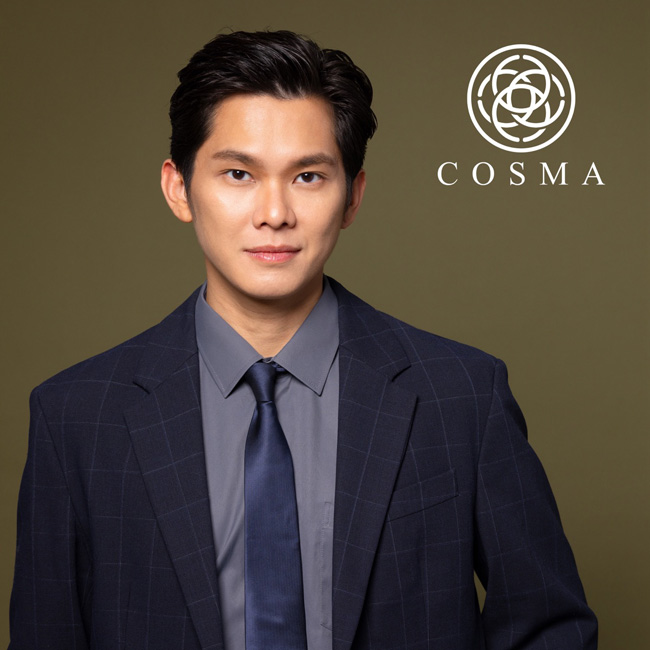
Having trained and mentored aesthetic practitioners across Southeast Asia and Europe, Dr. James Co, Architect of Aesthetic Confidence and founder of Cosma Aesthetics and Lifestyle Institute (Cosma Institute), believes aesthetic medicine should help people look, feel, and live at their best.
For years, beauty online followed a familiar formula. Sharper jawlines. Sculpted cheeks. Glass skin. Faces designed to look flawless on camera and social media feeds, often at the expense of individuality.
As beauty trends accelerated online, cosmetic enhancements also became more amplified. Procedures once considered subtle slowly became more dramatic, while heavily curated images began shaping how many people viewed beauty, confidence, and self-image.
Having trained and mentored aesthetic practitioners across Southeast Asia and Europe, esthetic physician, trainer, master practitioner, and educator Dr. James Co has observed a growing shift toward personalized, natural-looking aesthetic outcomes. He believes Filipinos are beginning to embrace the same change.
“Patients today are becoming more aware and more informed,” Co said. “Many are no longer asking to copy celebrities or viral trends. Most simply want to look healthier, fresher, and more confident while still looking like themselves. The conversation is increasingly shifting toward facial harmony and individualized outcomes rather than transformation.”
The shift reflects growing fatigue around what the beauty industry often refers to as the “Instagram face,” where heavily enhanced features created increasingly similar looks across cultures and age groups.
According to the International Society of Aesthetic Plastic Surgery (ISAPS), demand for minimally invasive procedures continues to grow globally, reflecting a preference for subtle and natural-looking enhancements.
Across markets such as South Korea, Singapore, Dubai, and parts of the United States, aesthetic trends are increasingly leaning toward softer enhancements, anatomy-based treatments, and individualized facial assessment rather than dramatic transformation.
Co believes the Philippines is entering a similar phase.
“For a long time, beauty standards here were heavily influenced by social media trends,” he said. “But many Filipinos today are starting to ask different questions. They want treatments that fit their own facial structure, lifestyle, and long-term goals.”
Recent digital reports show Filipinos remain among the world’s most active social media users, spending an average of approximately three hours and 32 minutes daily on social media platforms. The continued influence of digital culture has helped shape how people consume beauty content, compare appearances, and engage with evolving beauty standards.
“Filipinos have always valued looking presentable, but today the goal is increasingly about looking healthy, rested, and confident rather than looking dramatically different.”
From long work hours and Metro Manila traffic to constant screen exposure and online visibility, many Filipinos are also rethinking how they approach confidence, aging, and self-care.
According to Co, burnout, stress, digital fatigue, and lack of rest have started influencing how people view beauty and wellness. For many patients today, looking rested has quietly become more aspirational than looking perfect.
“People still want to look good, but many are no longer chasing perfection,” Co said. “They want to look healthy, energized, and confident in real life, not only on camera.”
The trend is becoming more visible among younger professionals, entrepreneurs, and socially active Filipinos exposed to global conversations around wellness, balance, and authenticity.
Co also noted that more patients are becoming cautious about overdone procedures after years of seeing exaggerated beauty trends dominate online platforms.
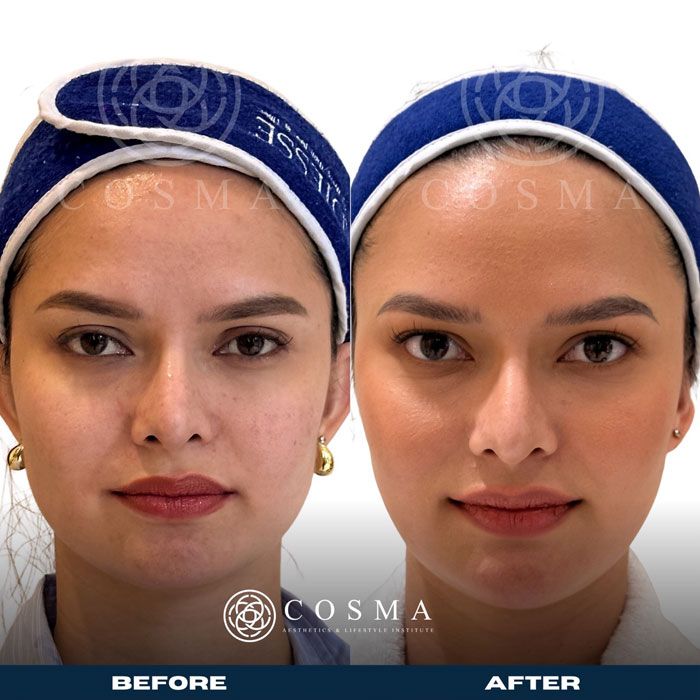
“The conversation is slowly shifting from transformation to refinement,” he said. “People are beginning to realize that subtle enhancement, facial harmony, and age refinement often create more sustainable and natural-looking results over time.”
Drawing from both his clinical practice and experience training fellow medical professionals across Southeast Asia and Europe, Co has observed that patients are becoming increasingly informed about aesthetics and more selective about the outcomes they want to achieve.
As both a practitioner and trainer for fellow practitioners, Co said patients today are also becoming more aware that aesthetic procedures require proper understanding of anatomy, facial movement, balance, and long-term treatment planning.
“The practitioner matters,” he said. “Technique, assessment, and understanding facial harmony all affect outcomes. Good aesthetic work should never immediately announce itself.”
One of the biggest misconceptions in aesthetics, according to Co, is the belief that more product automatically creates better results.
“In many cases, less creates better harmony,” he explained. “The best results are often the ones people cannot immediately identify. People simply notice that you look fresher or healthier.”
Co also reminded patients not to make aesthetic decisions purely based on trends, promotions, or low prices.
“Aesthetic procedures are still medical procedures,” he said. “Patients should never choose treatments based solely on price, promotions, or social media trends. Proper consultation, assessment, and medical expertise matter. Always seek professional guidance and make sure treatments are performed by qualified medical professionals.”
According to Co, consultation remains one of the most important parts of aesthetic care because every face, anatomy, and treatment plan should be approached differently.
For Co, personalization has become one of the defining shifts in modern aesthetics. Rather than recommending the same treatments for every patient, he believes aesthetic care should begin with understanding a person’s unique anatomy, lifestyle, concerns, and goals.
“No two faces are alike, and no two treatment plans should be identical,” he said. “The best results happen when treatments are designed around the individual, not the trend.”
For Co, who leads Cosma Institute, aesthetics should never focus on changing a person’s identity.
“The goal is not to change who you are,” Co said. “The goal is to help people become the best version of themselves. Good aesthetic work should build confidence while preserving individuality. Through facial harmony and age refinement, patients should still look like themselves, only more refreshed, confident, and aligned with how they want to feel and live.”
As beauty conversations continue to evolve globally, Co believes the future of aesthetics in the Philippines will become less about chasing trends and more about embracing individuality, personalization, and confidence. For him, the best aesthetic outcomes are not about looking like someone else, but about helping people become the best version of themselves.